Build resilience and regain function with self-guided modules grounded in cognitive-behavioral therapy (CBT), pacing strategies, and mindfulness. Learn practical tools to manage the impact of chronic pain and live more fully.
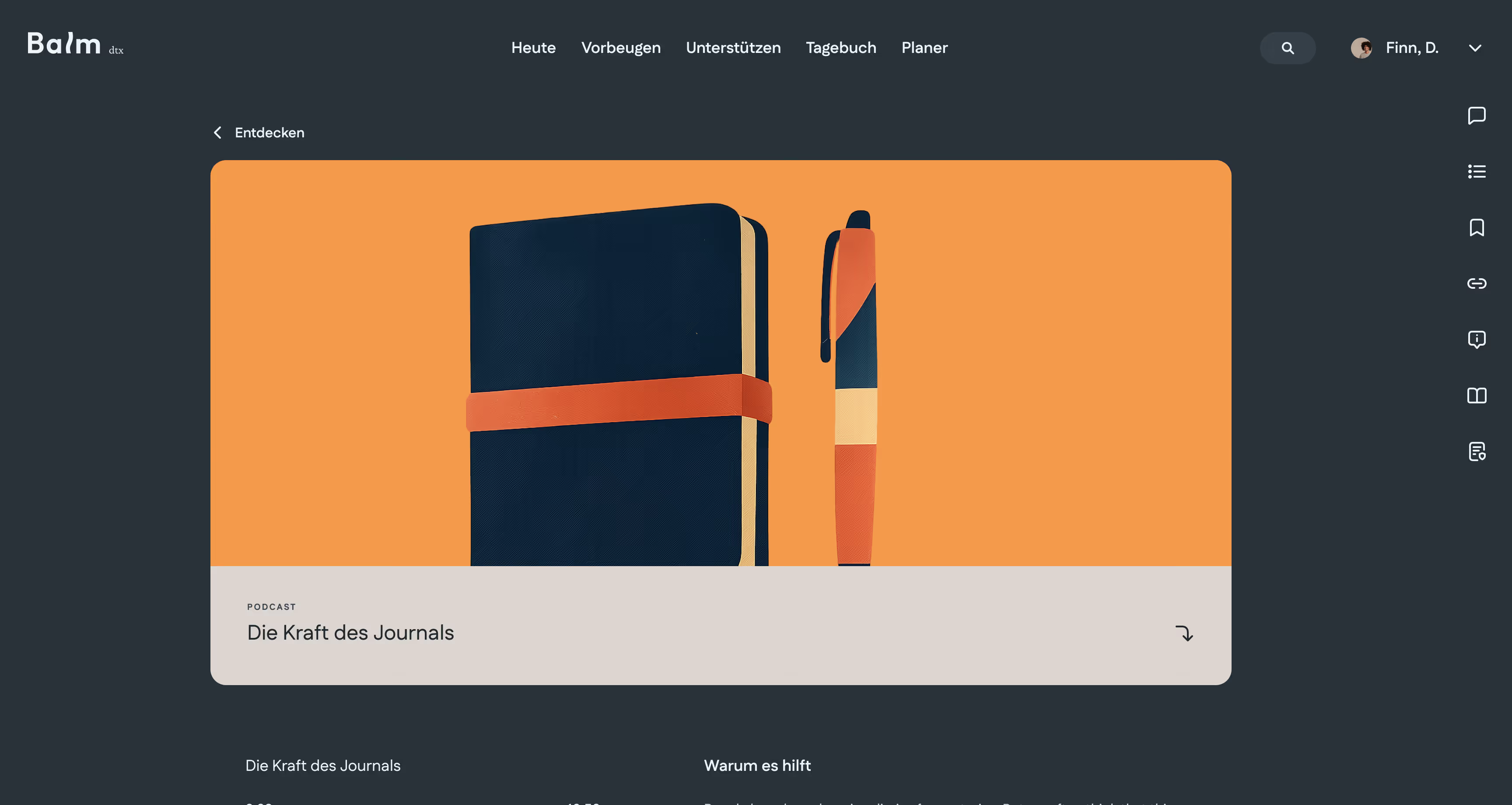
12 sessions to support you on your journey with evidence-based tools that help you reduce pain's control over your life. Learn how to manage physical discomfort, improve emotional wellbeing, and increase participation in meaningful activities—all at your pace, with no clinics or referrals needed.
Understand how pain, thoughts, and behavior interact. Learn tools to interrupt unhelpful cycles and regain confidence in your ability to cope.
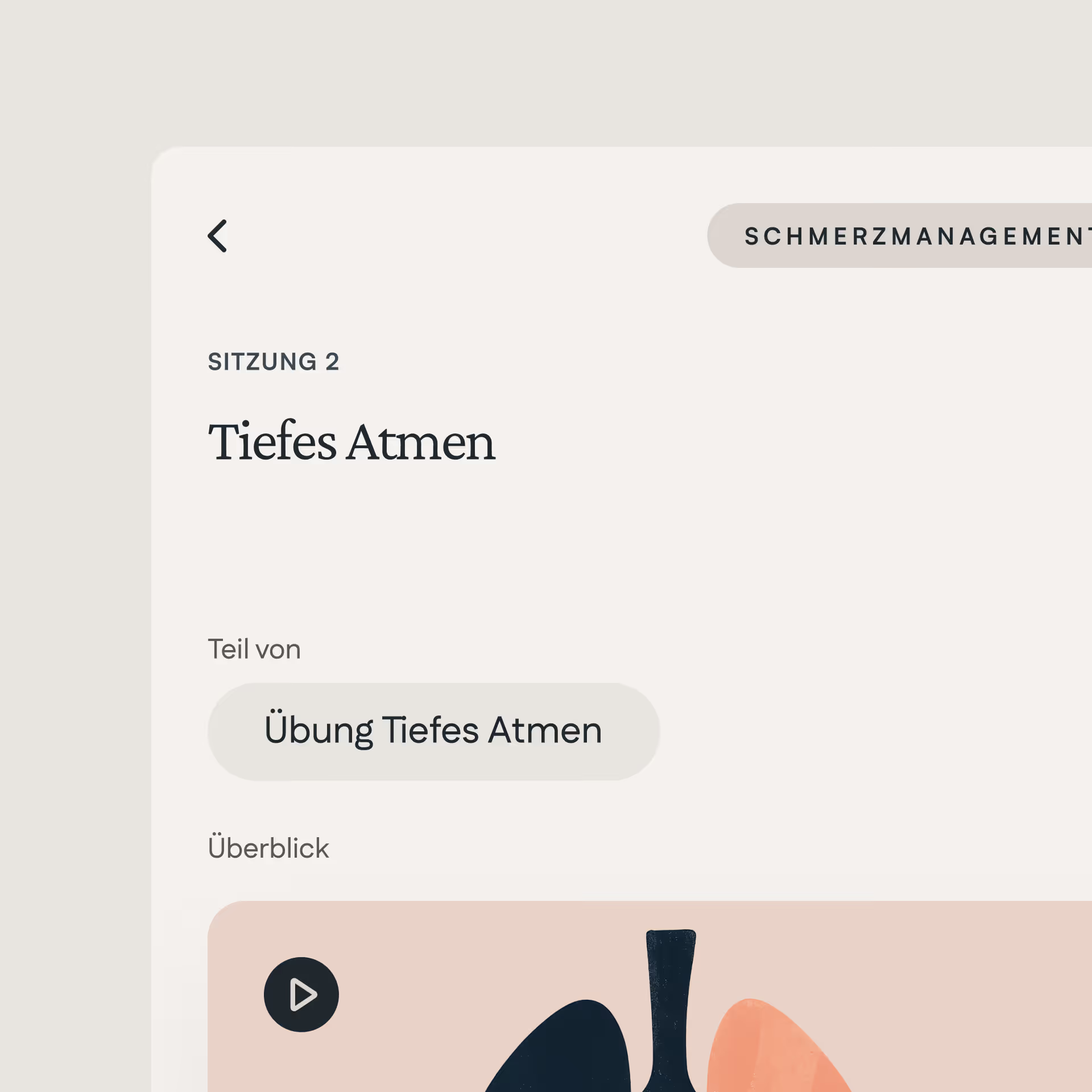
Practice simple relaxation skills to reduce tension, support sleep, and lower pain sensitivity—without complicated routines.
Learn how to identify and shift unhelpful thought patterns that increase pain-related distress. Build a more balanced mindset, even on difficult days.
Proven Health Support. Powered by Science. Tailored to Your Life.
Reflect on your pain history, personal goals, and explore how CBT techniques can help change your pain experience.

Identify how pain, reduced activity, low mood, and fear of movement can reinforce each other. Learn strategies to gently disrupt the cycle.

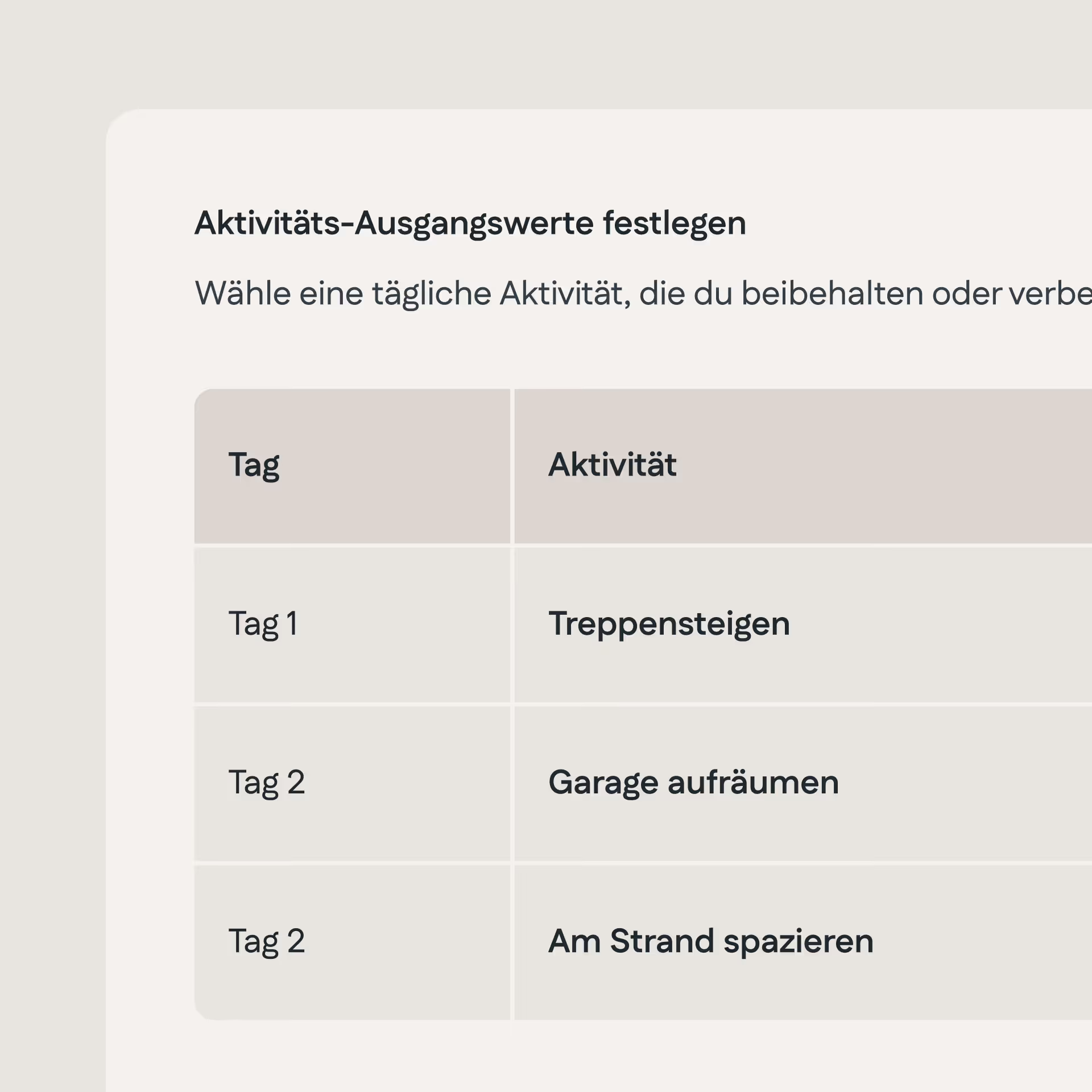
Practice finding your activity baseline and planning rest breaks to avoid boom-and-bust cycles. Learn to sustain energy through consistency.
Review your daily pain and activity patterns. Reflect on your progress and refine strategies based on what works.

Explore how certain thought patterns can worsen pain. Learn to recognize and challenge them with supportive alternatives.

Reconnect with enjoyable activities that bring meaning, identity, and mood improvement—modified to work with, not against, your pain.

Develop a personal flare-up toolkit so you feel prepared, not powerless, when pain spikes.

Revisit your goals, celebrate your progress, and create a long-term plan to stay resilient and self-directed, even when pain persists.
Understand the link between chronic pain and sleep disruption. Build a personalized evening routine and explore small, sustainable habits that promote rest and recovery.

Learn how to talk about pain in a way that builds understanding and connection. Practice setting boundaries and asking for the kind of help that truly supports you.

Identify early warning signs of setbacks. Create a daily and weekly practice routine that helps you maintain progress even when life gets busy or stress levels rise.

Integrate everything you've learned into a practical, personalized action plan. Build a reference system you can return to—and a vision for what living well with pain means for you.

Sessions typically take 30 minutes to 1 hour to complete, depending on your pace and the exercises involved. You can do it! As you see the benefits, we hope you continue to make progress.
You can return to previous sessions as needed, however you need to unlock the next session before you can skip forward. Sessions are unlocked after a set period of time has passed (typically 72 hours) and the assignments have been completed.
CBT helps you understand how thoughts, emotions, and behaviors influence your pain experience. You'll learn to manage flare-ups, build balanced routines, and shift unhelpful thinking patterns to reduce pain’s impact on your daily life.
Discover how Balm can help your clinic increase revenue while delivering better care.